|
Defining the Various Eyeglass Lens Options
When it comes to eyeglass lenses, there is much more than meets the eye. If you think that glasses contain a prescription and are shaped to fit within your chosen eye glass frame, you'd be right because that's the way it's been for years. And while eyeglasses are great at correcting a multitude of Vision Problems, they offer even more benefits. Of course, there's a price to be paid for these new and improved benefits, and the more you choose, the more your glasses are going to cost. How do you know which glasses are right for you? Here's a brief 2-part summary: Anti-reflective eye glass lenses are actually coated with metal oxides that Improve Vision by reducing glare and reflection.
Reflections on the surface of an eyeglass lens can cause ghosting and eye strain. Anti-reflective coatings eliminate these problems and those that are caused by such things as oncoming headlights and fluorescent lighting reflecting off computer screens, two big sources of strain. These coatings also make glasses look better as the surface won't have that noticeable mirror effect. High index eye glass lenses eliminate the need for that legendary 'soda bottle look'. The rule of thumb has always been the stronger the Prescription Glasses, the thicker the eye glass lens in order to accommodate the right amount of light bending. High index lenses changed that and their development enabled eye glass frame manufacturers to begin creating extremely thin or rimless frames. High index lenses made out of plastic are very light since less material is used in the construction of the lenses. These lenses can also be made from glass however, because glass is heavier, the end result won't be a lighter feeling lens. There is a range of high index lenses and understanding higher vs. lower index is a bit complicated, so it is best to let your eye doctor explain the differences. In general, higher indexes cost more and should be thinner. These eyeglass lenses also benefit from the addition of an anti-reflective coating which blocks less light. Photochromatic lenses change from regular clear lenses into dark-colored lenses, similar to that on Sunglasses, when they are exposed to sunlight. The convenience of having '2 pair of eyeglasses in 1' is less expensive. Transitions lenses are the most familiar of this type of lens and they are available in practically every prescription and refractive index. They offer full ultraviolet protection, too. The secret behind the color changing capability is silver halide which is mixed right into the lens when it's being created. In the early days, thicker parts of the lens resulted in darker areas, but this has been virtually eliminated with the introduction of polycarbonate and high-index lenses. Besides Transitions, many other companies offer some variation of the photochromatic lens. Corning, the original developer, has several styles including Thin & Dark and SunSensors, as well as the originals, PhotoGray and PhotoBrown.
Continue to Part 2 for more eye glass lenses options.
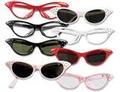
Is buying eye glasses online a good idea? You can buy everything else on the Internet, even Contact Lensesso why not buy eye glasses online too? Is doing so more convenient, less expensive or more risky? Let's take a look. Choosing Eye glasses to Fit Your Personality In this competitive world of ours, image is everything. And even if you don't think of yourself as being 'image-oriented' deeper insight into your personality might lead to startling revelations. Either way, when it comes to choosing eye glasses, it'll be worth your time to look for a style that fits your personality. Choosing Eye-glass Frames that Complement not Confuse Diamond, triangle, round, square, oval, oblong – this isn't an introduction to geometry. It's the first step in figuring out which type of eye glass frame best complements your face shape. Step number 2 is to determine your skin tone, either warm or cool, so that you can select the right eye glass frame color. Metal and plastic are the main materials used for eye glass frames. But within those two categories come a multitude of choices to help ensure that the material you select for your eye glass frames complements your lifestyle. Prescription glasses are mainly fitted to people who have eye problems or visual impairments. Many people wear eyeglasses without knowing the right prescription for them.Glasses are for corrective purposes and should not be worn if you have no idea what prescription is right for you.

Subscribe to EyeSight Vision Care! , our monthly newsletter with in depth information to help you keep up to date on how to Protect Your Eyesight with a free bonus. Fill out the form below. You'll then receive an email asking you to confirm that you subscribed. You'll always have the option to unsubscribe at the click of your mouse. Defining the Various Eyeglass Lens Options to Protect Your Eyesight |






More Information