|
What is Vision Therapy and Behavioral Vision Care?
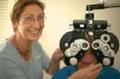
Vision Therapy or behavioral vision care is a daily routine of eye exercises to offset computer use, and overall close-up work required daily for students and professionals. Eye Care Exercises help maintain Healthy Eyes, reduce or eliminate the effects of eyestrain, and ultimately help to preserve eyesight. In the case of learning disabilities, this therapy is specifically directed toward resolving visual problems that interfere with reading, learning and educational instruction. Optometrists do not claim that this is a direct treatment for learning disabilities. Behavioral therapy, is a type of physical therapy for the eyes and brain, is a highly effective non-surgical treatment for many common visual problems such as
Many patients who have been told, "it's too late," or "you'll have to learn to live with it" have benefited from this therapy. Who needs vision therapy? The simple answer is: "Everybody!" All can benefit from more efficient vision. However, certain individuals will especially benefit from this type of care:
anyone interested in Natural Vision Correction.
History of Vision Therapy Behavioral therapy is not new. Physicians in the mid-1800s originally introduced many of the techniques that are used today. Modern Optometric Therapy was introduced in the United States in 1928. Throughout the years, this therapy has been called various names such as visual training, orthoptics, or Vision Exercise. Why did this happen to me? Our eyes were not made to fixate on two-dimensional written pages or computer screens for hours at a time. Our eyes are more geared for the distance vision primarily used by people in agrarian societies. Will I have to do vision therapy forever? Usually, no. Once your eye muscles have been reeducated, they remember their new skills - and automatically use them all the time. Can I wear glasses to avoid vision therapy? Usually, no. You don't have a Vision Problem, you have an eye muscle problem - that usually can't be helped by eyeglasses alone. How much time do I have to spend doing this therapy? That depends on how quickly your eye muscles learn the needed skills. Most people need to practice computerized HTS Home Behavioral Therapy Program for 20 minutes a day, five days a week, for about two to three months.

Subscribe to EyeSight Vision Care! , our monthly newsletter with in depth information to help you keep up to date on how to Protect Your Eyesight with a free bonus. Fill out the form below. You'll then receive an email asking you to confirm that you subscribed. You'll always have the option to unsubscribe at the click of your mouse.
|











More Information