|
The Visual Process
|

 |
 |
 |
|
|
 |
 |
 |
There are three separate processes that make up the visual process:
- Mechanical
- Chemical
- Electrical processes
The Mechanical Process
The first part of the visual process is mechanical.
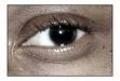
Light passes through the Cornea and the pupil to the lens.
The cornea's shape focuses the incoming light slightly before it enters the lens.
Some people have an irregularly shaped cornea, which changes the refractive power in that area.
This results in Blurry Vision, known as an Eye Astigmatism, which can be corrected for.
The iris determines the size of the pupil.
In bright light, the iris shrinks the pupil, which lets in less light.
In dim light, the iris expands the pupil, letting in more light.
The light then passes through the lens, which bends it and focuses it onto the photoreceptors.
The ciliary muscles and ligaments cause the lens to change shape, which allows the lens to focus light from both distant and nearby objects onto The Retina.
This process is called accommodation.
As your body ages, the lens becomes less flexible.
Accommodation is reduced, and the eye’s ability to focus on nearby objects is lessened.
This condition is known as Presbyopia, and is corrected with Prescription Glasses or Contact Lenses.
 |
 |
 |
|
|
 |
 |
 |
The Chemical Process
The second part of the visual process is chemical.
The photoreceptors receive the light and convert it into electrical signals.
The cones are active in bright light conditions.
They detect and interpret colors, can pick up small changes (visual acuity), such as threading a needle, and are the photoreceptors that pick up the signals coming from the center of the visual field.
The rods are active in dim conditions, picking up small bits of light from here and there, and are used for peripheral vision.
Rods cannot provide visual acuity, and thus, seeing in the dark and at the edges of vision are usually fuzzy and slightly unfocused.
The Electrical Process
The third part of the visual process is electrical.
Once the photoreceptors convert the light into electrical signals, the nerve cells that sit on top of the rods and cones pick up the signals and carry them to the optic nerve.
The optic nerve takes the signals to the visual cortex, where the brain reinterprets the signals as what you are seeing.
The following are other pages on Protect Your Eyesight about the visual-process, please take a look.
Binocular Vision
Amsler Grid
Eye Anatomy
Refractive Error
Eye Donation Awarenes
Less known facts about donating your eyes:
1. Diabetic and asthma patients, those with hypertension and without other communicable diseases can also donate eyes.
2. Those infected with diseases like AIDS, Hepatitis B or C, rabies, septicemia, acute leukemia, tetanus, cholera, meningitis or encephalitis cannot donate eyes.
3. If the eye donated is not medically suitable for transplant it may be used for medical research..
4. Those with basic eye defects including Dry Eyes may not be able to donate eyes either..
|
|

Subscribe to EyeSight Vision Care! , our monthly newsletter with in depth information to help you keep up to date on how to Protect Your Eyesight with a free bonus. Fill out the form below. You'll then receive an email asking you to confirm that you subscribed. You'll always have the option to unsubscribe at the click of your mouse.

More Information